Decoding Digital Disruption: The Irony of Modern Connectivity 🌐🤖
In a world where we are theoretically more connected than ever and ironically, perhaps even more isolated, digital connectivity has reshaped the fabric of our human interactions in ways no one could have foretold. As we tap, swipe, and click our way through life, the omnipresence of technology might seem like a blessing—or a double-edged sword that slices through the very core of genuine relationships 📡📱.
Consider for a moment the stark antithesis of our reality: we carry devices designed to bring us closer, yet they frequently erect invisible barriers between us and the people right in front of us. This dizzying dance between connection and disconnection is not just a matter of personal habit but a sweeping social paradox.
The Digital Dream: Utopia or Illusion?
Digital platforms promise us the world—boundless access to information and unlimited networks. Yet, are we stretching towards utopia or merely grasping at an illusion wrapped in ones and zeros? The allure of networks such as Facebook and Instagram lies in their ability to simulate intimacy with likes, emojis, and shared stories ❤️🌈, but do these symbols of connection bear any true resemblance to the face-to-face conversations of yesteryears?
Historically, communication relied heavily on verbal and non-verbal cues that the digital realm often strips away, much like a winter tree loses its leaves, left to endure the cold sun of an LED screen. The richness of voice tones, the warmth of an embrace, and the subtle complexity of facial expressions cannot be digitized with mere pixels.
The Irony of Modern Isolation
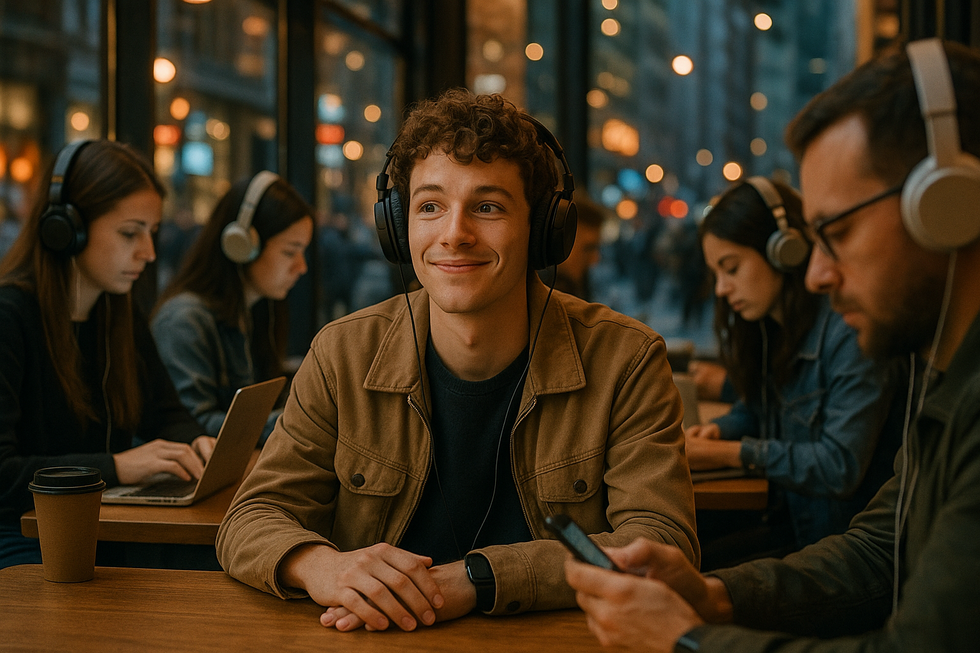
This connectivity conundrum is perhaps most evident in the rise of “loneliness in the crowd,” where walking through a bustling city, we find ourselves chest-deep in personal isolation pods, headphones on, and eyes glued to our screens. Aren’t we, who are the most communicative species, experiencing a retreat into digital solitude?
A study by the American Psychological Association highlights the increase in loneliness, ironically, in the era of hyper-connectivity: nearly half of U.S. adults sometimes or always feel alone, with young adults particularly hit by these feelings.
And then, there is the happy accident of a serendipitous encounter—a momentary lapse where our digital shackles break free. When our battery dies, or the Wi-Fi disconnects, we return to our most instinctual form of interaction, glance sideways, and maybe, just maybe, exchange a smile with another living, breathing soul.
Privacy: A Mirage in the Digital Desert
But what of privacy? In trading transparency and validation, we hand over keys to a vault once fiercely guarded. The data we scatter across these digital plains becomes fodder for corporations and governments alike. 🛡️🗝️
- Social Media Giants: Our online profiles provide a feast for data miners, piecing together a mosaic of our likes, dislikes, and eccentricities.
- Virtual Assistants: Once the aid of futuristic fantasies, now a double agent, observing, listening, and cataloging every script we unwittingly supply.
- Cloud Computing: Our deepest secrets stored in ephemeral terms of service agreements, scrolling past unread with each eager tap of “accept.”
- Surveillance Economy: The new world order where privacy is willingly exchanged for convenience without much of a second thought.
One might wonder, does the digital age offer more freedom, or does it inadvertently bind us to invisible chains, expertly crafted in the workshops of Silicon Valley? 🔗
Charting a Path Forward: The Yin-Yang of Digital Life
The answer may lie not in severing our digital ties but in learning to navigate this intricate landscape wisely. Much like the balance of yin and yang, finding harmony between our virtual and physical selves requires conscious effort and thoughtful action.
1. Digital Sabbaticals: A Breather in the Byte World
Taking deliberate retreats from the digital deluge—setting aside time to appreciate the analog beauty of real conversations, handwritten letters, and the quiet introspection brought by solitude—can act as a salve for modern malaise.
2. Digital Literacy: Building Critical Thinking Muscles
Enhancing our understanding of digital literacy, cultivating critical thinking about the information we encounter and share, is essential. As with any tool, the key lies in how we wield it.
3. Privacy Vigilance: Guardians of Our Own Data
Being vigilant about privacy settings, understanding data rights, and valuing personal information like an heirloom ensures that, while participating in the digital zeitgeist, we remain the gatekeepers of our digital footprint.
Reflecting on Tomorrow’s Connectivity: Piecing Together the Puzzle
As we stand on the precipice of further digital integration, it begs the question: Can we forge a world where digital connectivity complements rather than replaces human touch? Or are we destined to become figurines in a virtual tableau, projected through screens but rarely engaged in reality?
What unfolds next may define not only how we connect but also who we become. The irony of modern connectivity challenges us to ponder if embracing both the digital and the tangible can lead to richer human experiences and an equilibrium that resonates with authenticity. 🔄💭
About the Author